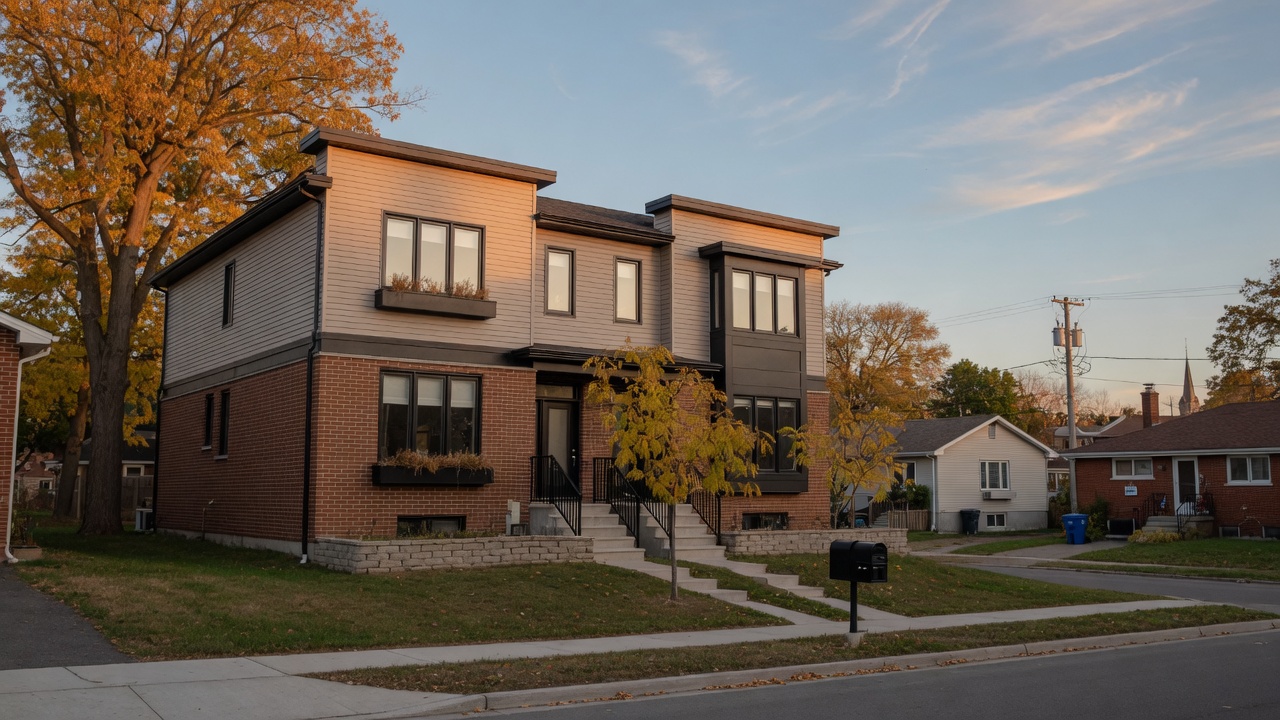
Is Buying a Rental Property on Hamilton Mountain Worth It in 2026?
By Tory Akene, REALTOR® | Real Broker Ontario Ltd. · · 7 min read
More and more families and investors are asking whether Hamilton Mountain is a smart place to buy a rental property — and in 2026, the answer is more nuanced than a simple yes or no. If you're considering a Hamilton Mountain rental property investment, understanding the current market conditions, rental demand drivers, and the true cost of owning an investment property is essential before you put in an offer.
Why Hamilton Mountain Is Attracting Investors
Hamilton Mountain has always been a family-first area — and that's exactly what makes it appealing for rental property investment. The area offers a strong mix of established detached homes, newer subdivisions, and multi-unit properties like duplexes and legal secondary suites that generate steady rental income.
Several factors are driving rental demand on the Mountain right now:
GTA migration continues
Families leaving Toronto and Mississauga for more affordable housing are creating steady demand for rental homes in the $1,800 to $2,500/month range — particularly for three-bedroom houses and duplexes that can accommodate a family.
Post-secondary rental demand
McMaster University and Mohawk College create consistent year-round rental demand in the Hamilton area. Students, researchers, and visiting faculty need housing, and Hamilton Mountain properties offer more space and lower rents than downtown Hamilton.
Low vacancy rates
The Hamilton CMA (Census Metropolitan Area) has maintained vacancy rates around 2–3% in recent years, which is below the national average. This low vacancy environment keeps rental income steady and reduces the risk of extended vacancies for landlords.
Affordable entry point
Compared to Toronto or Mississauga, the Hamilton Mountain market offers lower purchase prices for multi-unit properties — meaning a lower barrier to entry for first-time investors.
Source: CMHC Rental Market Report, Hamilton CMA, 2025.
What Types of Properties Work Best for Investment?
Not all properties are created equal when it comes to rental investment on the Hamilton Mountain. Here are the most common options:
Detached Single-Family Homes
The most common investment property on the Mountain. You can rent a full house to a family and build equity over time. The average detached home on the Mountain currently trades in the $650,000 to $950,000 range, according to the most recent MLS® HPI data for the region. Properties in the $650K–$800K range (Central Mountain, East Mountain) tend to rent faster and more consistently due to proximity to schools, shopping, and transit.
Duplexes and Legal Multi-Unit Properties
Duplexes, triplexes, and legal secondary suites can offer the best cash flow for Hamilton Mountain rental property investment. These properties generate rental income from two or more units while your mortgage is based on a single purchase price. The key is ensuring any secondary unit is legal and up to code — this protects your investment and avoids costly bylaw issues.
Properties with Basement Suites
Many Hamilton Mountain homes already have a separate basement entrance and a self-contained unit. If it's properly registered as a legal secondary suite with the City of Hamilton, it can serve as a rental unit while you live upstairs. This is one of the most popular ways for families to enter the investment property market — buying a home you can live in while generating rental income from the basement.
What the Current Market Means for Investors
The Hamilton Mountain real estate market is in a different phase than it was in 2021 and 2022. The MLS® HPI benchmark price for the Hamilton-Burlington area sits at approximately $744,000 as of May 2026 — a 5.4% decrease from the same period last year. For investors, this shift creates a window of opportunity that didn't exist during the frenzy.
Here's what that means in practice:
- Less competition from buyers. The market has softened, with days on market averaging 39–45 days. Investors face less competition from bidding wars and can negotiate more effectively.
- Lower purchase prices. With year-over-year price declines, investors can acquire properties at prices that were significantly higher two or three years ago. This can improve your cash flow projections and long-term equity growth.
- Stable rental income. While home prices have declined, rental demand and rents have remained relatively stable — meaning your rental income is holding steady even as your acquisition costs decrease.
Source: Cornerstone Association of REALTORS® (CAR) May 2026 Market Report; Hamilton Real Estate Board MLS® HPI Data.
The True Cost of Owning a Rental Property
A Hamilton Mountain rental property investment isn't just about the purchase price. Here are the costs you need to budget for:
Property Taxes: $5,000–$7,500/year
Hamilton property taxes are reasonable compared to the GTA — but they're a significant ongoing cost. Multi-unit properties may be assessed differently than single-family homes.
Insurance: $1,500–$3,000/year
Landlord insurance is different from homeowners insurance. It covers liability, property damage, and loss of rental income. Multi-unit properties typically carry higher premiums than single-family homes.
Maintenance and Repairs: Budget 1–2% of property value annually
On a $750,000 property, that's $7,500 to $15,000 per year. Roofing, HVAC, plumbing, and appliances all have finite lifespans. Setting aside a reserve fund is essential — especially for older Mountain homes.
Property Management (Optional): 8–10% of monthly rent
If you don't want to manage tenants yourself, a property management company in the Hamilton area typically charges 8–10% of the monthly rent. This is a worthwhile cost for absentee investors or those who want hands-off management.
Key Things to Consider Before You Buy
Buying a rental property on the Hamilton Mountain can be a smart long-term investment — but it requires the right approach. Here are the most important things to think about:
- Know your numbers. Calculate your expected rental income, mortgage payments, property taxes, insurance, and maintenance costs before you commit. A positive cash flow property is easier to manage than one that bleeds money every month.
- Verify legal status. If you're buying a property with a secondary suite, make sure it's legally registered with the City of Hamilton. An illegal suite can result in fines, insurance issues, and problems with tenants.
- Understand Ontario tenant laws. Ontario has strong tenant protections. Knowing your rights and responsibilities as a landlord — including rent control, notice periods, and maintenance obligations — is critical.
- Choose the right neighbourhood. Not all Mountain neighbourhoods perform equally for rental investment. Properties near McMaster, Mohawk College, and major transit routes tend to have the highest occupancy rates and the most consistent rental demand.
- Plan for the long term. Rental property investment is not a get-rich-quick strategy. The best returns come from properties you hold for 5–10 years or longer, where the equity growth and rental income compound over time.
Is Hamilton Mountain a Good Rental Investment in 2026?
If you're looking for a rental property investment with strong fundamentals — low vacancy rates, steady rental demand, affordable entry points, and long-term equity growth potential — Hamilton Mountain is one of the best options in the Greater Toronto and Hamilton Area. The market conditions in 2026 are more favourable for buyers than they've been in years, with lower purchase prices, less competition, and stable rental income.
But the key to success is finding the right property — and that means working with someone who knows the Mountain neighbourhoods, understands the rental market, and can help you navigate the numbers. I've helped many families and investors find the right Hamilton Mountain rental property investment, and I'd love to do the same for you.
Frequently Asked Questions
What's the minimum down payment for a rental property in Ontario?
For an investment property (non-owner-occupied), most lenders require a minimum down payment of 20% of the purchase price. This is higher than the 5% required for a principal residence. Some alternative lenders may allow less, but expect a higher interest rate.
Can I use my rental income to qualify for a mortgage?
In most cases, yes. Lenders will typically count a portion of the rental income (often 50–80%) toward your qualifying income, especially if the property already has a tenant in place. This can help you qualify for a larger mortgage than your personal income alone would support.
Are there tax advantages to owning a rental property?
Yes. You can deduct mortgage interest, property taxes, insurance, maintenance costs, and property management fees from your rental income. These deductions can reduce your taxable income from the property. However, capital gains are taxable when you sell — speak to a tax professional for your specific situation.
Ready to explore investment opportunities on the Hamilton Mountain?
Tory Akene can help you find the right rental property for your investment goals — with local knowledge, market data, and a network of trusted professionals to support you every step of the way.
Book a Free Call