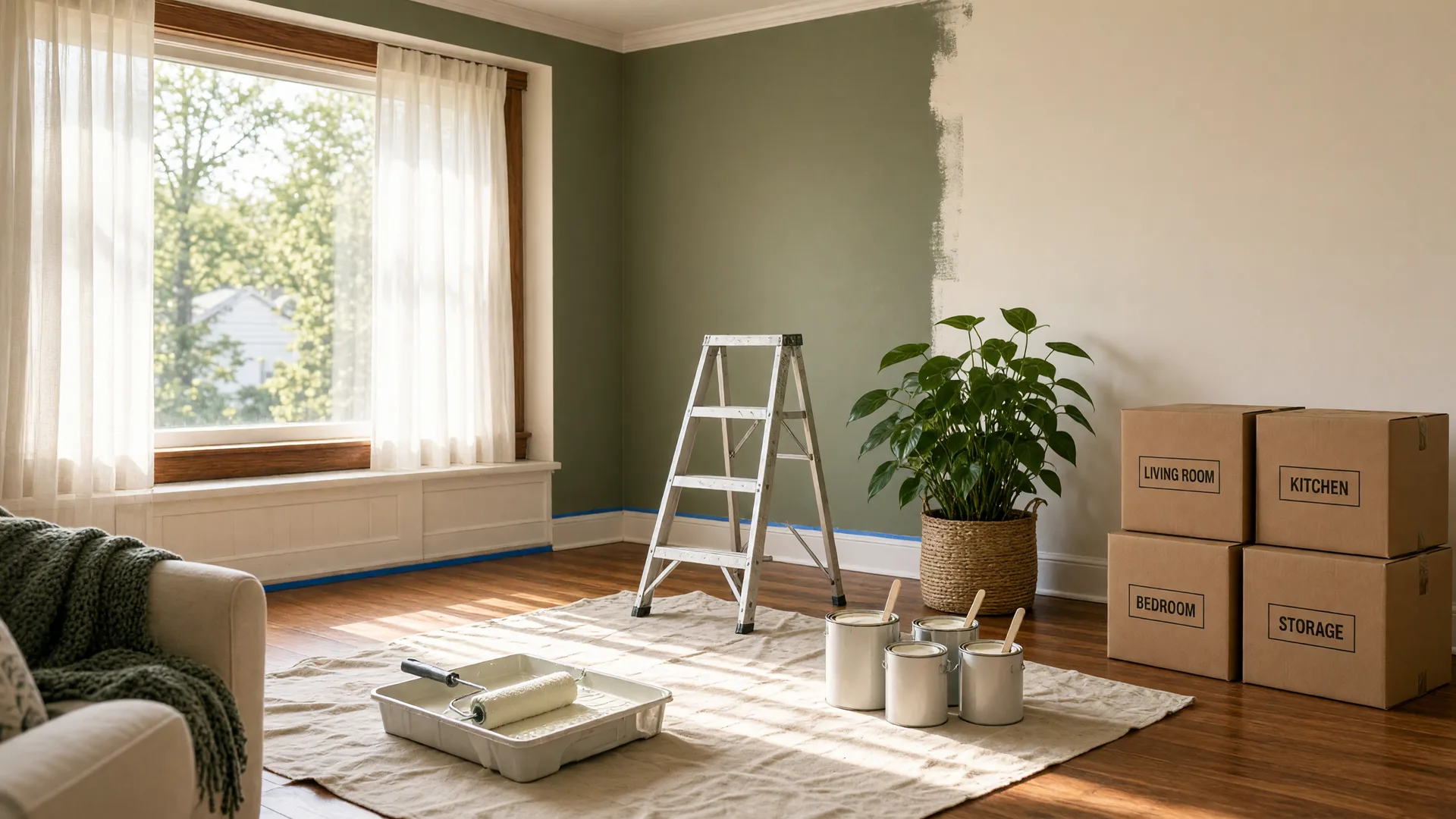
What Should I Fix Before Listing on Hamilton Mountain, and What Should I Leave Alone?
By Tory Akene, REALTOR® | Real Broker Ontario Ltd. · · 7 min read
If you're getting ready to list, here's the answer I give most often: fix what's broken, visible, or safety-related, and leave the renovations alone. Buyers on the Mountain aren't shopping for a showroom; they're shopping for a home that looks genuinely cared for. The real skill before listing isn't doing more work, it's knowing exactly where to stop.
The short answer
Fix anything a buyer would notice within five minutes, anything that affects how the home functions, and anything tied to safety or disclosure. Leave alone the big renovations, the personal-taste projects, and the upgrades that mostly reward you with enjoyment rather than a higher offer.
Two Questions Before You Spend a Dollar
Before any project, ask two questions. Will a buyer notice this in the first five minutes of a showing? Does it affect how the home works or how safe it is? If the answer to either is yes, fix it. If not, you're probably polishing something the next owner will redo their own way.
The second part matters more than you'd think. A dated but spotless kitchen lets buyers picture their own renovation. A kitchen with a sticky drawer and a dripping tap makes them wonder what else was ignored. Small defects create doubt about the whole home, and doubt is what turns into lower offers.
Fix These: Small, Visible, and Functional
This list is cheap, mostly weekend-sized, and the highest-impact work you can do before a listing:
- Dripping taps and toilets that run, which buyers hear instantly.
- Sticky doors, squeaky hinges, loose handles, and drawer slides that catch.
- Burnt-out bulbs, and any switch or outlet that doesn't work.
- Cracked or peeling caulking around tubs and showers. A ten-dollar tube makes bathrooms look new.
- Scuffed paint on doors and trim, plus nail holes from family photos. If whole rooms look tired, fresh paint is one of the few projects that almost always earns its keep; I break down which ones pay off in my renovation ROI article.
- Cracked or missing tiles in a visible spot, and grout that's gone dark or crumbly.
- A front door that doesn't latch, a wobbly deck step, or a loose railing. Safety issues top every list.
- Eavestroughs overflowing and downspouts dumping water right next to the foundation. Water is the one issue buyers' inspectors treat most seriously.
Leave These Alone: Renovations and Taste
This is where sellers overspend. You rarely get the full cost of a big project back at sale time, and the person buying your home will want to make it their own:
- Full kitchen gut renovations and bathroom overhauls. A modest refresh and even just fresh paint move the needle far more per dollar.
- New windows when the current ones still work and seal properly.
- Major landscaping, a re-done driveway, or expensive hardscaping nobody asked for.
- Trend-driven redesigns, bold wallpaper, or any room styled to your taste. Buyers need to see their life in the space, not yours.
- Replacing perfectly serviceable appliances or fixtures just to look newer.
If you're unsure whether a project counts as a fix or a renovation, check before you spend. My guide to which renovations actually pay off walks through the numbers, and the takeaway is consistent: quick, cheap, visible wins outperform big projects almost every time.
Get a Professional's Eyes on the Parts You Can't See
Some of the most important items live where you can't see them from the curb: the roof, the furnace, the electrical panel, plumbing, and the foundation. This is where a pre-listing inspection earns its keep. On the Mountain it typically runs $400 to $600 for a family home, and you get the report first. If it finds something, you can fix it, get quotes, or price for it, before a buyer's inspector decides for you.
There's a disclosure side to this too. In Ontario, once you know about a serious latent defect, you're expected to disclose it rather than let a buyer discover it later, and a report makes that conversation straightforward. My disclosure guide and my pre-listing inspection article explain exactly how it works on the Mountain.
What's Different About Mountain Homes
Many Mountain homes date from the 1950s to the 1970s, and buyers' inspectors know exactly what to look for: galvanized plumbing, electrical panels that predate modern loads, sump pumps and window wells, foundation cracks nudged along by mature tree roots, and heaved walkways. None of that means your home is in trouble. It means you benefit from knowing what an inspector would flag before you list, so you can fix the inexpensive items, get quotes on the big ones, and present the rest honestly.
The Weekend Walkthrough Checklist
Here's the exercise I give every seller before we list. Stand at your front door and walk through each room as if you've never seen it, then make two lists.
Fix this week:
- Anything that drips, squeaks, sticks, rattles, or doesn't switch on.
- Caulking, grout, scuffed trim, and nail holes.
- Loose handles, hinges, latches, and railings.
- Full eavestroughs and downspouts that need redirecting.
Leave alone:
- Full renovations, new windows, new floors, and re-doing rooms to your taste.
- Anything a buyer will replace or redo anyway.
- Upgrades you'd only enjoy if you were staying.
When the Fix List Points Somewhere Else
If a long fix list makes you realize what you actually want is another bedroom or a proper home office, that's useful information too. A contractor's quote and a clear list of what your home needs are a great starting point for the sell-or-stay decision. The Upsizing Guide walks through what more space really costs on the Mountain, and the Move-Up Planner turns your family's space needs and timeline into a starting plan.
Start with These Free Tools
- What's My Hamilton Mountain Home Worth?
A fast ballpark estimate for your current home, useful before you decide what's worth spending on it.
- Seller Hub
Preparing, pricing, and listing your home from start to finish, with the full cost-to-sell breakdown.
- Pre-Listing Inspections
Why inspecting before you list gives you control of the report, the repairs, and the conversation.
The Bottom Line
You don't need to renovate to sell on the Mountain. You need to remove doubt. Fix the drips, the squeaks, the scuffs, and the safety items; get a professional opinion on the big-ticket pieces; and leave the taste and the renovations to the next owner. A cared-for home sells itself.
Frequently Asked Questions
Do I need to fix everything my inspector finds before listing?
No. Prioritize safety issues, water problems, and cheap visible fixes. For bigger items you have three choices: fix it, get a quote and price accordingly, or offer a credit after the buyer's inspection. Your agent can help you decide which fits your market.
If I don't fix a known problem, do I still have to tell buyers about it?
In Ontario, known latent defects must be disclosed, and you can't hide a problem buyers can't see. Knowing what's true about your home before you list is exactly what a pre-listing inspection gives you.
What if I can't afford repairs before listing?
You don't have to renovate to list. Many sellers price for deferred maintenance or offer a credit after the buyer's inspection. Knowing your home's condition and realistic value matters more than emptying your savings.
Wondering what's worth fixing before you list?
Bring your fix list to a complimentary call with Tory Akene and we'll sort it together: what's worth doing, what's not, and what your home is worth either way. Let's plan your next move.
Book a Free Call