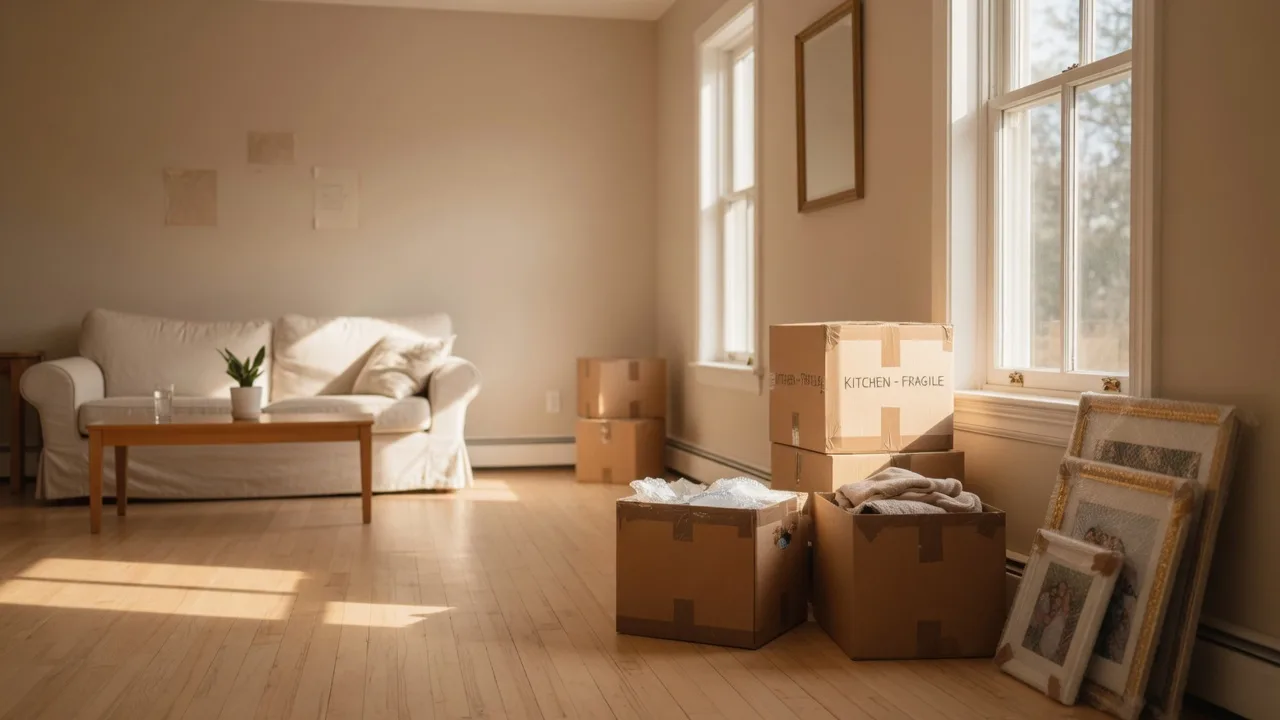
Downsizing on Hamilton Mountain: A Practical Guide for Empty Nesters
By Tory Akene, REALTOR® | Real Broker Ontario Ltd. · · 8 min read
If you've raised your family on the Hamilton Mountain — watched your kids walk to Chedoke or Bishop Ryan, hosted neighbourhood barbecues in the backyard, and built 20 years of memories in the same four-bedroom bungalow — the idea of downsizing can feel bittersweet. But here's what I tell every empty nester I work with: downsizing isn't leaving your life behind. It's clearing space for the next chapter. And on the Hamilton Mountain, that next chapter can be just as rewarding — if you plan it right.
Why Hamilton Mountain Is One of Ontario's Best Places to Downsize
Unlike many communities where downsizing means moving far from everything you know, the Hamilton Mountain gives you options to stay close. You can move from a four-bedroom detached to a tidy townhouse in Stoney Creek, a bungalow in Westdale, a condo near Limeridge Mall, or a cottage-style property on the South Mountain — and still be minutes from your old neighbourhood, your doctors, your church, and your favourite coffee shop.
The Mountain also has an advantage that's often overlooked: it's a community with excellent walkability, flat terrain in many pockets, and proximity to healthcare. McMaster University Medical Centre and Juravinski Hospital are both a short drive away. Public transit runs along the main corridors. For retirees who want to age in place with confidence, that accessibility matters more than most people realize until they need it.
According to the City of Hamilton's 2024 Housing Options Guide for Older Adults, the city has identified a need for more right-sized housing — smaller, accessible homes that allow seniors to remain connected to their communities. On the Mountain, that demand is growing every year.
Source: City of Hamilton, "Housing Options for Older Adults in Hamilton," 2024.
The Financial Picture: What Downsizing Actually Means for Your Wallet
This is where I see the most confusion — and the most missed opportunity. Many empty nesters delay downsizing because they're worried about the costs: real estate fees, land transfer tax on a new purchase, legal fees, moving expenses, and potential capital gains if the home was ever a rental. Those costs are real. But so is the equity sitting in your current home.
Consider the math. A typical four-bedroom detached home on the Hamilton Mountain is currently valued between $700,000 and $900,000, depending on neighbourhood and condition. A well-appointed two-bedroom townhouse or bungalow in the same area lists between $450,000 and $650,000. That means many downsizers can sell, cover all their transaction costs, purchase a smaller home outright, and walk away with $100,000 to $250,000 in freed-up equity — money that can fund retirement, travel, renovations on the new place, or simply sit as a financial cushion.
A 2026 report from Royal LePage found that the median price for a detached home in the Hamilton-Burlington region declined 3.4% year-over-year in Q1 2026, landing near $825,000. But the condo and townhouse segments held more steady — meaning the spread between what you sell and what you buy may actually be wider right now than it was two years ago. For downsizers, that's an advantage.
Here's a simplified breakdown of typical downsizing costs in Ontario:
Real estate commissions (on sale of current home)
Typically 4–5% of the sale price, split between listing and buyer agents. On a $750,000 sale, that's roughly $30,000–$37,500.
Legal fees
$1,500–$2,500 for both the sale and purchase transactions.
Land transfer tax (on purchase of new home)
Ontario's land transfer tax on a $550,000 purchase is approximately $7,200. First-time buyer rebates don't apply to downsizers.
Moving and staging costs
$2,000–$5,000 for a local move, plus $1,000–$3,000 for staging if needed.
Total friction costs for a typical Hamilton Mountain downsizer land between $40,000 and $55,000 — significant, but a small fraction of the equity most homeowners in this area have built over the past two decades.
Source: Royal LePage, "Housing Price Market Report: Hamilton," Q1 2026; Ontario Ministry of Finance, Land Transfer Tax rates.
Where to Downsize on the Hamilton Mountain
Not every neighbourhood suits every downsizer. Here are the areas I recommend most often, based on what my clients tell me matters to them — affordability, accessibility, community feel, and proximity to amenities.
West Mountain (Upper James / Garth corridor)
Bungalows and townhomes in the $500,000–$650,000 range. Walkable to grocery stores, pharmacies, and Limeridge Mall. Flat terrain in most areas, making it ideal for those with mobility considerations. Excellent access to the Lincoln Alexander Parkway for quick trips across the city.
Central Mountain (Concession Street / Fennell corridor)
A mix of older bungalows and newer townhome developments. Strong neighbourhood feel with established parks, community centres, and schools. Prices range from $480,000 to $600,000 for right-sized homes. Close to Chedoke Golf Course and the escarpment trail system.
Upper Stoney Creek
Newer townhouse communities and stacked condos in the $450,000–$580,000 range. Quieter, more suburban feel with easy access to the waterfront trail and the QEW. Ideal for retirees who want a newer build with lower maintenance and modern accessibility features.
Ancaster
Premium downsizing option with character homes and mature landscaping. Prices tend higher ($600,000–$800,000), but the village walkability, farmers' market, and small-town atmosphere are hard to beat. Best for downsizers who want charm and don't mind paying a bit more for it.
The Emotional Side: What No One Tells You About Downsizing
Here's something I've learned after helping dozens of families navigate this transition: the hardest part of downsizing isn't the paperwork, the packing, or even the money. It's the letting go.
You raised your kids in that house. The kitchen has a pencil mark on the door frame where you measured their height every year. The backyard has a firepit where your teenagers had their first conversations about the future. That home holds a lifetime of meaning — and no amount of equity can replace it.
What I encourage my clients to do is reframe the narrative. Downsizing isn't losing something — it's choosing something. It's choosing a home that matches your current life, not the life you had fifteen years ago. It's choosing financial freedom and less maintenance. It's choosing a front porch where you can sit with your morning coffee and actually know your neighbours. The memories don't leave with the house. They come with you.
One practical approach I recommend: before you start packing, take photos of every room, every detail, every angle that matters to you. Create a digital album. That way, the memories are preserved even after the keys change hands. Some of my clients even write a short letter to the next family who will live there — a way of passing the torch and honouring the years they spent in the home.
A Step-by-Step Downsizing Timeline
If you're considering downsizing on the Hamilton Mountain in the next 6 to 12 months, here's a realistic timeline that balances preparation with momentum:
3–6 months before listing: Start the decluttering process
Go room by room. Sort belongings into keep, donate, sell, and discard. Focus on what you'll bring to the new space — not what you're leaving behind. Consider hiring a professional organizer who specializes in downsizing (several operate locally in Hamilton).
2–3 months before listing: Meet with a local REALTOR®
Get a realistic market assessment of your current home and explore what's available in your target neighbourhood. A good agent will help you understand the timing of selling and buying simultaneously — or whether you should sell first, rent briefly, and then buy.
6–8 weeks before listing: Prepare the home for sale
Fresh paint, minor repairs, deep clean, and professional photography. On the Mountain, a well-presented home in the $500,000–$700,000 range will attract strong buyer interest — especially from younger families looking for their first detached home.
Listing day: Launch strategically
A Thursday or Friday listing launch captures the weekend buyer traffic. Aim for your first open house within 48–72 hours of going live.
Closing and moving: Coordinate your timelines
Work with your lawyer and both agents to align your closing dates. A same-day closing is ideal — but if there's a gap, budget for a short-term rental or a storage unit.
The Bottom Line
Downsizing on the Hamilton Mountain is one of the smartest financial and lifestyle moves an empty nester can make — but it requires planning, honest conversations, and the right team around you. The market right now favours buyers in the smaller-home segment, which means your purchase power is strong. And the equity you'll free up by right-sizing your home can fundamentally change your retirement.
I've helped families through every version of this transition — from couples moving out of the family home for the first time to adult children helping their parents navigate the process from a distance. Every situation is different, and every one deserves a personalized plan.
If you're thinking about downsizing and want to talk through what the numbers and logistics look like for your specific situation, I'd love to have that conversation. No pressure — just clarity.
Frequently Asked Questions
Should I sell first or buy first when downsizing?
It depends on your risk tolerance and financial flexibility. Selling first gives you certainty about your budget — you know exactly what you're working with. Buying first means you won't feel rushed, but it can create financial pressure if your current home takes longer to sell. I recommend discussing both options with your REALTOR® and mortgage professional before committing to either approach.
Will I have to pay capital gains tax when I sell?
If the home has been your principal residence for the entire time you've owned it, you generally won't owe capital gains tax under the principal residence exemption. However, if you ever rented out part of the home or used it for a home-based business, there may be a taxable portion. Consult a tax professional for your specific situation.
Are there condo options on the Hamilton Mountain for downsizers?
Yes — there are several condo buildings and townhouse complexes on the Mountain, particularly along Upper James Street, near Limeridge Mall, and in the Stoney Creek area. Prices range from $350,000 to $550,000 depending on size, age, and amenities. When evaluating a condo, pay close attention to the reserve fund study, monthly fees, and any pending special assessments — these factors can significantly affect your long-term costs.
Thinking about downsizing on the Hamilton Mountain?
Book a complimentary planning call with Tory Akene. She'll help you understand your options, run the numbers, and create a timeline that works for your life.
Book a Free Call